
Classroom Article
Back to ClassroomLearning Wood Identification

Agritix
6 Apr 2021
2 mins read
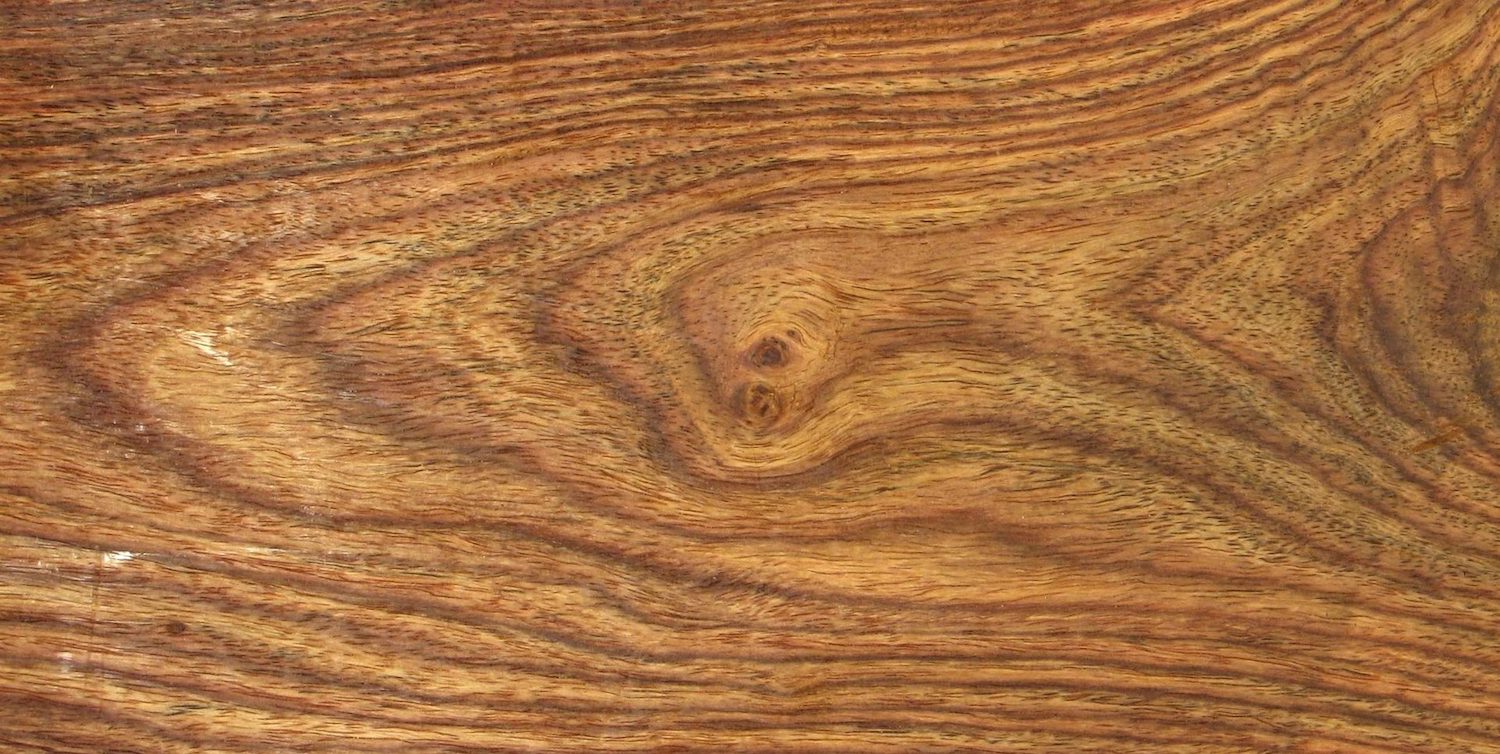
Wood identification course
Wood identification in itself is a relatively small segment of wood science and technology that encompasses a wide range of knowledge such as wood preservation, drying, sawing, cutting, finishing and other processes, wood properties, insects, utilization and many more. In general, it is very difficult to learn wood identification by oneself as it involves both theoretical and practical works before becoming familiar with wood. Needless to say, it is also not sufficient to just read up all the terms relating to the structure of wood without looking at the real structure of a physical wood sample.
Nevertheless, most people should be able to learn some basic wood identification; however, in order to dive into the subject in-depth, the person should preferably have a degree in the relevant field such as wood science, wood technology, botany or biological science. For the first degree course, the subject of wood anatomy and identification usually constitutes only a small part of the entire course. Once graduated, specialisation in wood identification is also available for those who are interested in post-graduate study.
Normally it would take a long time for a person to become proficient in the subject of wood anatomy and identification, partly due to the fact that wood is a biological product and there is bound to be slight variation from one specimen to another, even for the same wood species depending on reasons such as location and growth condition.

In Malaysia, some universities such as UPM (Universiti Putra Malaysia) offer full-time wood science and technology courses for students to pursue proficiency in forest resources and wood materials
--
NSTWood Examinations
This is the first approach when examining an unknown piece of wood. In general, there are 3 parts of examination, i.e. physical features, structure and simple laboratory tests.
Physical features: By measuring the weight of the wood, observing the colour of the wood, growth patterns, streak, and the presence of latex traces (certain types of timber), as well as smelling the odour and feeling the wood in hand can provide some clues on the identity of the wood.
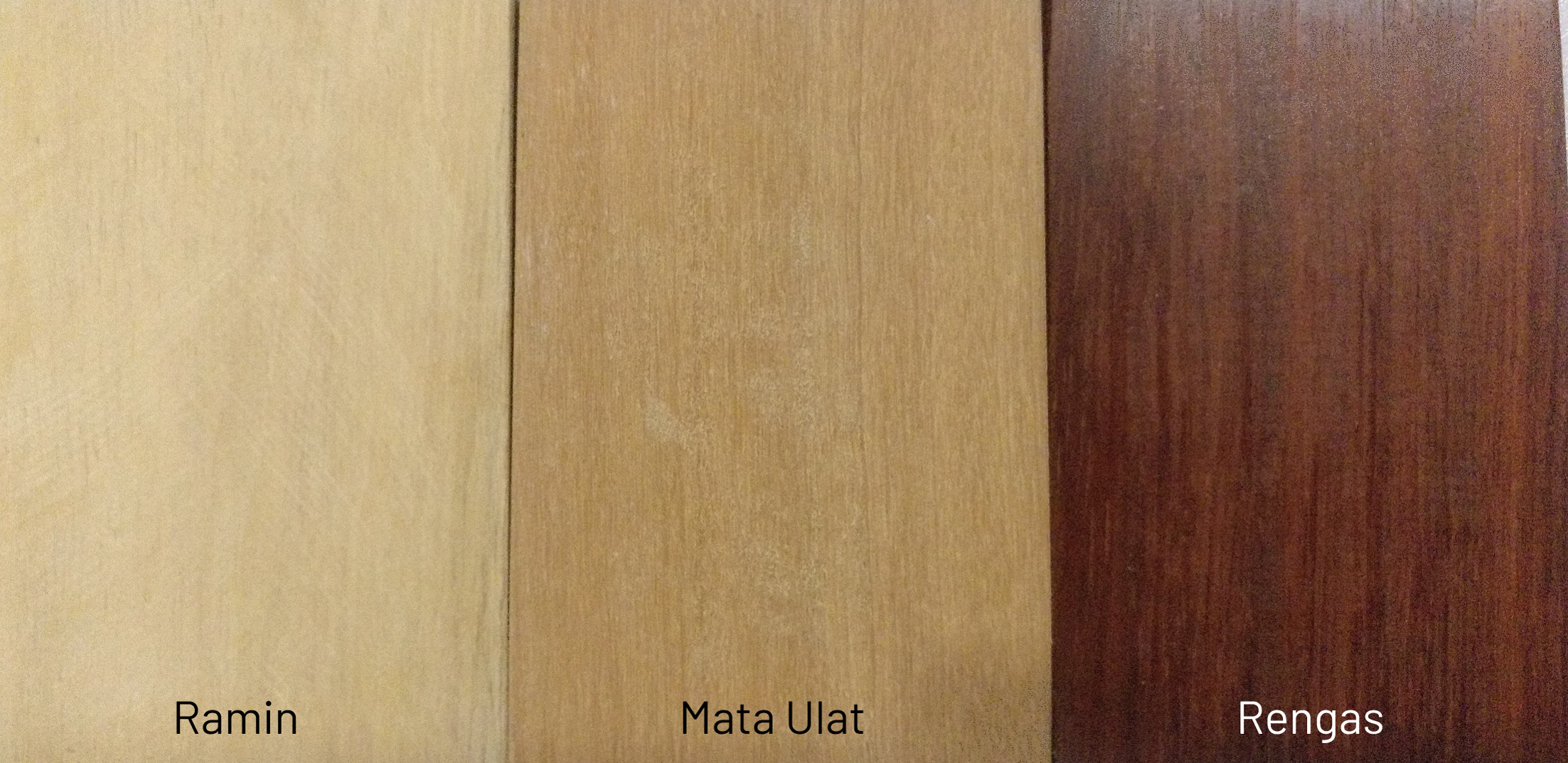
Surface colour of wood ranging from creamy white (Ramin – Gonystylus spp.), light brown (Mata ulat – Kokoona spp.) to dark red-brown (Rengas – Gluta spp.).
--
Xylorix
Structure or anatomical features: This is carried out by making a small cut on the cross section of the wood to expose the inner structure of wood. Anatomical features to be examined include: pores, its sizes and arrangement and contents (if any); rays sizes and arrangement; wood parenchyma, types, sizes and arrangement; fibres, thin or thick wall; and other features such as phloem, resin canals etc.
Laboratory tests: there are some laboratories tests that are helpful in wood identification, some common tests are:
(i) Froth test- where shaving of wood is placed in a test tube and filled with distilled water and shake vigorously for about 10 seconds, some woods produce large amount of tiny bubbles or froth, such as bitis (Madhuca utilis) whereas red balau (Shorea spp.) timber does not produce any froth.
(ii) Burning splinter test- a wood splinter is ignited in a vertical position and then leaves it in a horizontal position while burning. Splinter may burn into charcoal (rengas or most species of Anacardiaceae) or become ash (most timbers).
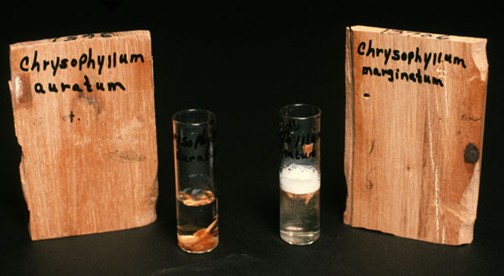
Froth test result for Chrysophyllum auratum (left) and Chrysophyllum marginatum (right), by Regis B. Miller (USDA Forest Service)
-- Prepared By Xylorix Wood Experts Panel
Have any question or comment? Send us a message here
Thanks for reading the article! If you like it or wanting to see more of these articles, be sure to check out our Facebook and LinkedIn page where we keep our users updated when there's new article enter the series. 🥰