
Classroom Article
Back to ClassroomTimber Exploration in Scientific World

Agritix
12 Mar 2021
3 mins read
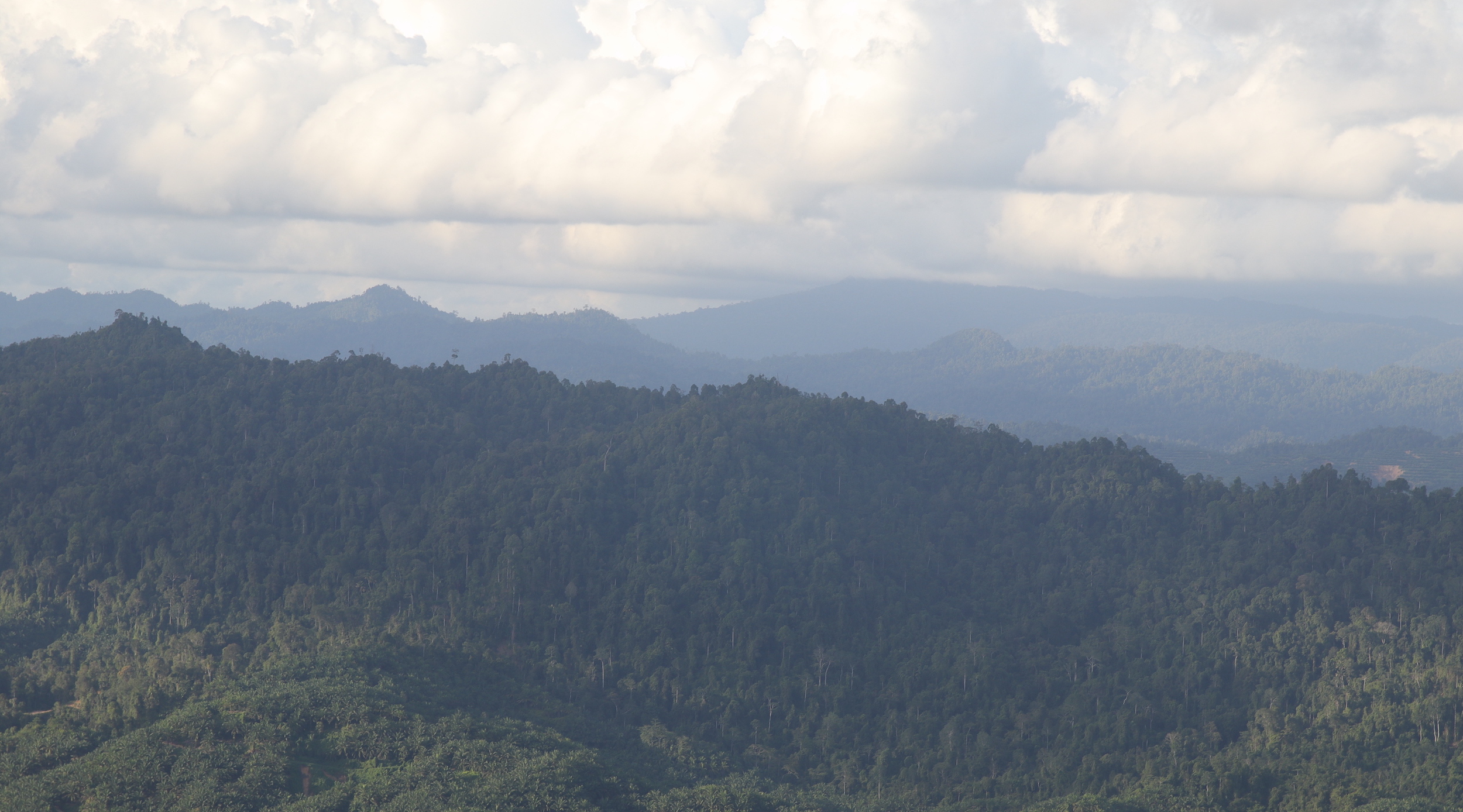
Vast tropical rainforests of Malaysia
Forest trees exploration in scientific world
In Malaysia, forest trees exploration is normally carried out by government agencies like Forest Research Institute Malaysia (FRIM), Forestry Department and universities. There are two main methods where information of trees in the forest are gathered, they are: (i) through inventory where personnel from the government agencies go to the forest and survey the types of tree, size, volume per hectare etc, this process usually take place once every ten or twenty years depending on the need, and (ii) regular visit by the forest botanists to gather information on the available types of trees in a particular area of interest e.g. swamp forests, lowland forests or mountain forests as the recording of tree species is a continuous process.
In Peninsular Malaysia, all studies are recorded in several volumes of ‘Tree flora of Malaya’ as shown below. As of now, most efforts are being placed on recording the tree species in the Malaysian Borneo region: Sabah and Sarawak. Since then, several volumes of ‘Tree flora of Sabah and Sarawak’ have been published as well.
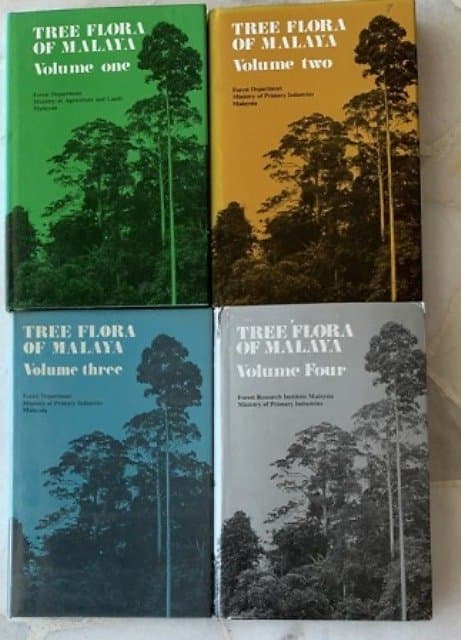
4 volumes of “Tree Flora of Malaya” pictured here, sets out to describe 98 families with over 3000 species in the Malay Peninsula, excluding Dipterocarpaceae family which are dealt with in a separate volume.
--
AbeBookHow botanist collects information on forest trees
When a botanist goes into the forest, he or she may be looking at a certain item that is of interest to him/her, for example, looking for a particular type of tree or trees from a particular family or genus. If it is a general survey, all the trees in the area will be sampled.
When a tree is identified, relevant information will be recorded with the following items: date of collection, name of collector, collection number, location, tree height, size of girth (usually diameter at breast height –DBH), type of bark, colour of inner bark and any other additional information. Organic samples such as leaves, flowers and fruits are collected as well.
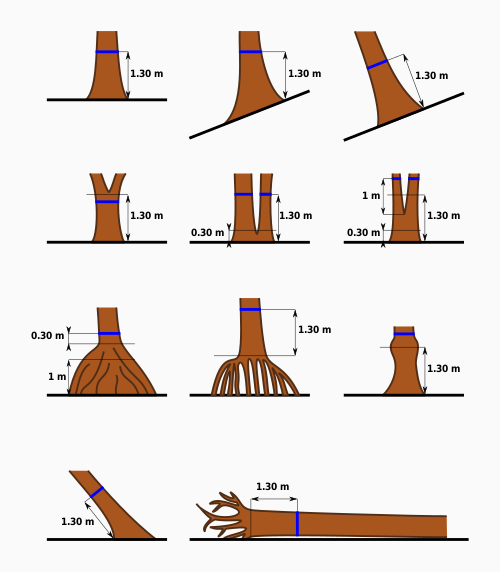
In the US, diameter at breast height – DBH of a tree is usually measured at 4.5 ft (1.37m) above ground, with different variations in accordance to the tree types and orientations as shown.
--
WikiThe leaves samples are then brought back to the laboratory for processing, pressed, dried and glued/stitched on a piece of cardboard, properly labelled with collection information. The sample, known as ‘voucher sample’ or ‘herbarium voucher’, will be examined by the botanist to confirm its actual identity by comparing it with the existing voucher samples as well as published literatures. Once it is done, its actual name will be inserted by the botanist and the collection is then kept in the "herbarium". Through scientific exchange, duplicate sets of voucher samples are sometimes sent from one herbarium to another. For instance, herbarium at Kew Garden, United Kingdom has a very large collection of voucher samples from all over the world.
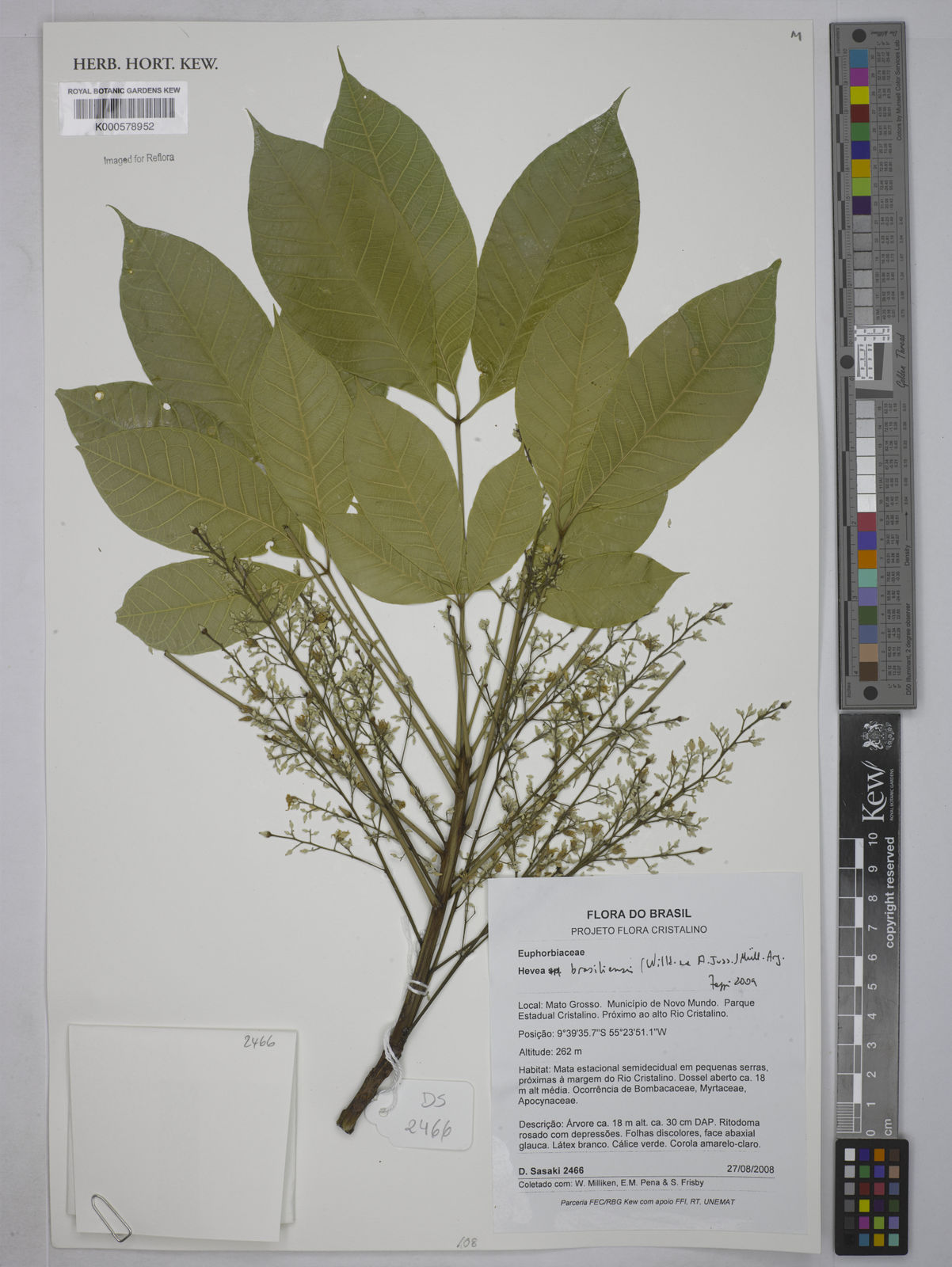
A herbarium voucher of rubberwood (Hevea brasiliensis) specimen by KEW Garden.
--
KEW GardenIn the process of collecting leaf samples for examination, the botanists may come across some specimens that are different from the usual specimens of the intended species. In this case, a proper description on the specimen is carried out and most likely a duplicate specimen will be sent to a well-known herbarium or botanist for further verification. This process may take a long time and the discovery of a new species is more of an accident rather than actively going out looking for one.
-- Prepared By Xylorix Wood Experts Panel
Have any question or comment? Send us a message here
Thanks for reading the article! If you like it or wanting to see more of these articles, be sure to check out our Facebook and LinkedIn page where we keep our users updated when there's new article enter the series. 🥰