
Classroom Article
Back to ClassroomTimber Trading (I)

Agritix
31 May 2021
2 mins read
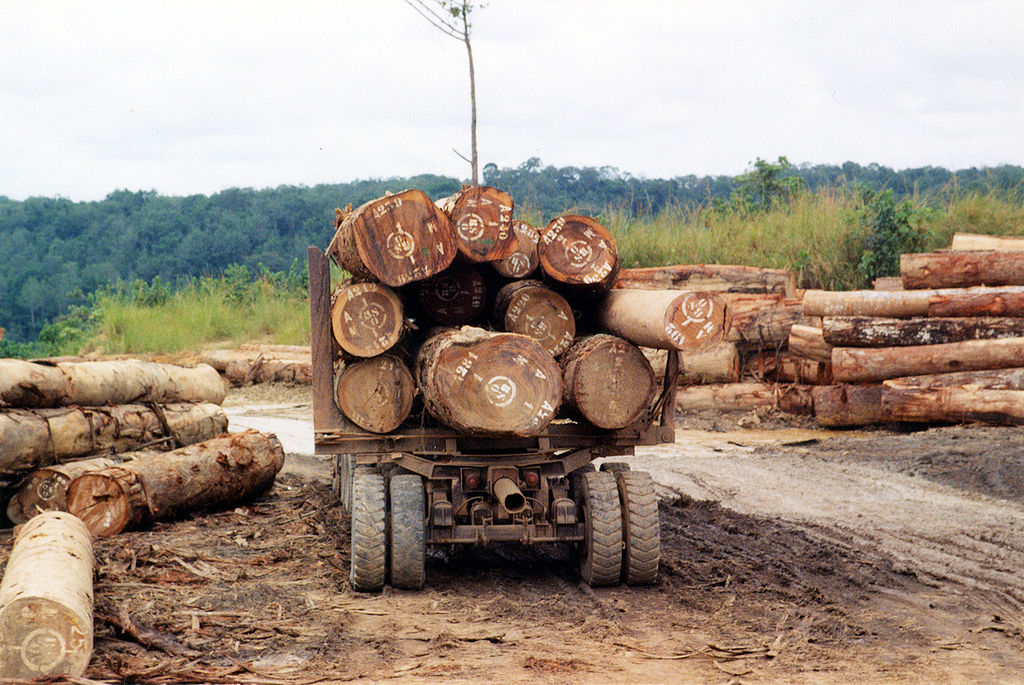
Timber trade at a glance
Timber trade, much like any other business, is required to adhere to government rules and regulations which vary from country to country, and usually there are certain legal requirements on the types of commodity to be exported or imported as well. For economical reasons, some countries allow the export of raw logs whereas most countries have banned it as harvested logs are processed within the country to create more job opportunities for the locals as well as to value-add the processed timber before trading. Although some countries do not prohibit the export of sawn timbers, usually there is a requirement to apply for an export licence beforehand. There are also various types of export licences for different stages of timber products such as logs, sawn timbers, semi and finished products, furniture etc.
With the increasing awareness on the importance of environmental conservation throughout the years, most developed countries have imposed restrictions on the exploitation of natural forests. For example, as laid out by the European Timber Regulation (EUTR), timbers and timber products that enter the EU market are required to be proven legally produced in compliance with their originated countries, thereby prohibiting the trading of illegally harvested or derived timbers.
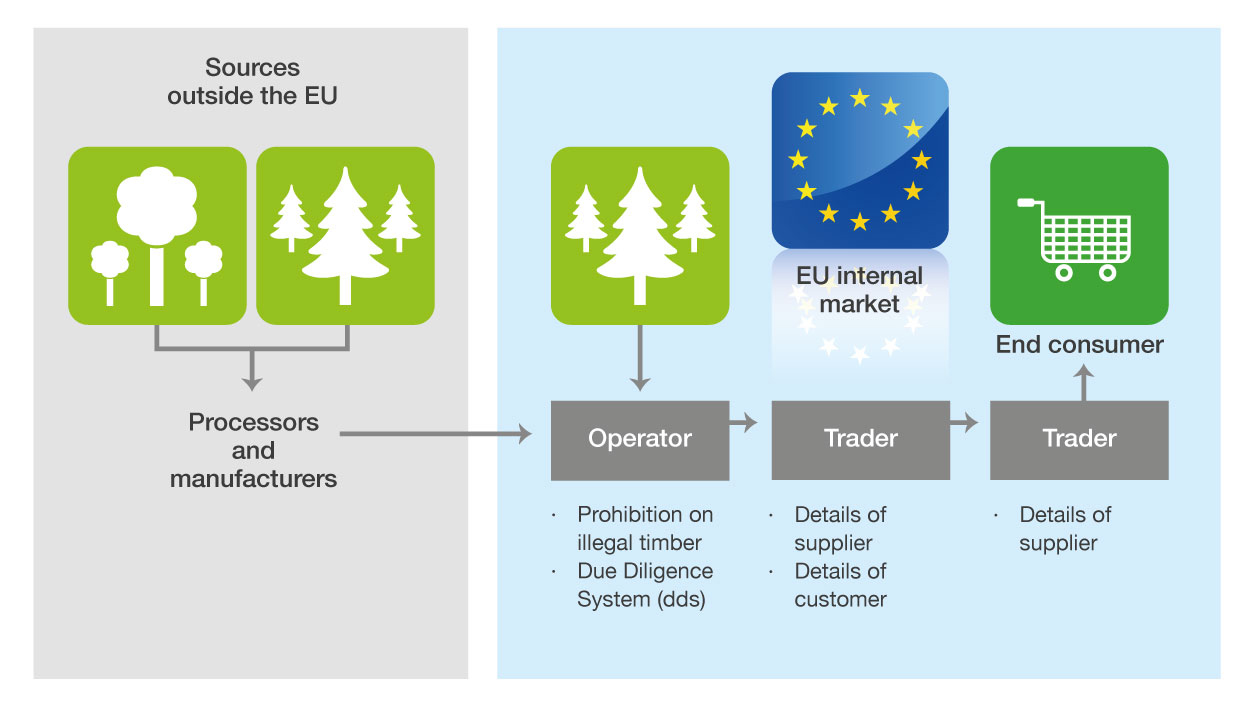
Key elements of supply chains of timber products in the EU.
Furthermore, in many other countries, similar restriction and even outright ban are imposed on the trading of timber species that are facing the threat of extinction due to unsustainable harvesting and illegal logging activities. For instance, Côte d'Ivoire, a country in West Africa, prohibits all forms of harvesting, transport, commercialization and export of the Pterocarpus species.
Determination of timber value
Timber is a type of commodity, as such its market value depends very much on the demand and supply and the prices can fluctuate from time to time. But in general, factors such as rarity, specific uses, suitability for making high value products, beautiful patterns and durability can greatly affect the cost of the timber too.
Valuable timber species can vary by regions depending on the uses and priorities. For example, huanghuali – 黄花梨 (Dalbergia odorifera), a type of rosewood, is one of the most valuable timbers in China as it has been almost exclusively used by the Chinese emperors for palace furniture at the end of Ming and Qing dynasties. Many of the antique furniture from China are made using huanghuali and are able to fetch a very high price during auction.
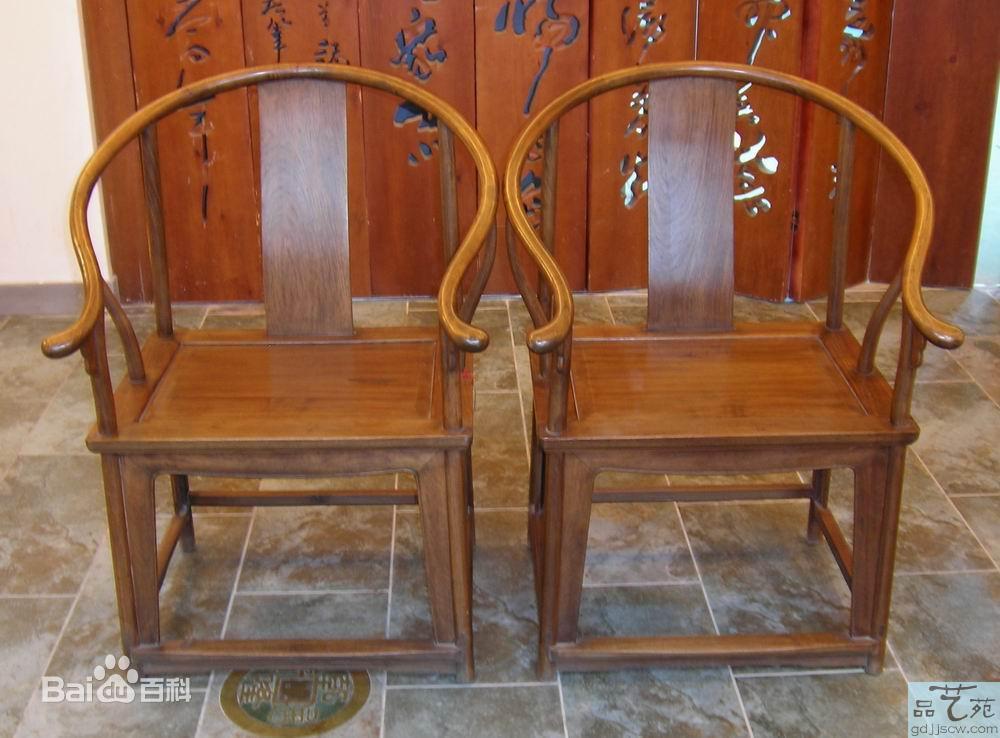
A set of Ming-styled round-backed armchairs made of huanghuali.
--
BaiduAside from that, in the South East Asia region, there are many other valuable timber species such as chengal (Neobalanocarpus heimii), merbau (Intsia palembanica), balau/selangan batu (Shorea spp.), belian (Eusideroxylon zwageri), teak (Tectona grandis), padauk (Pterocarpus spp.) and many more. In another country such as India, red sandalwood (Pterocarpus santalinus), sandalwood (Santalum album) and rosewood (Dalbergia spp.) are some of the most highly priced woods that are sought out for various purposes such as furniture making, dye making, medicines, cosmetics and others.
-- Prepared By Xylorix Wood Experts Panel
Have any question or comment? Send us a message here
Thanks for reading the article! If you like it or wanting to see more of these articles, be sure to check out our Facebook and LinkedIn page where we keep our users updated when there's new article enter the series. 🥰